
NO ONE WINS UNLESS EVERYONE WINS
|
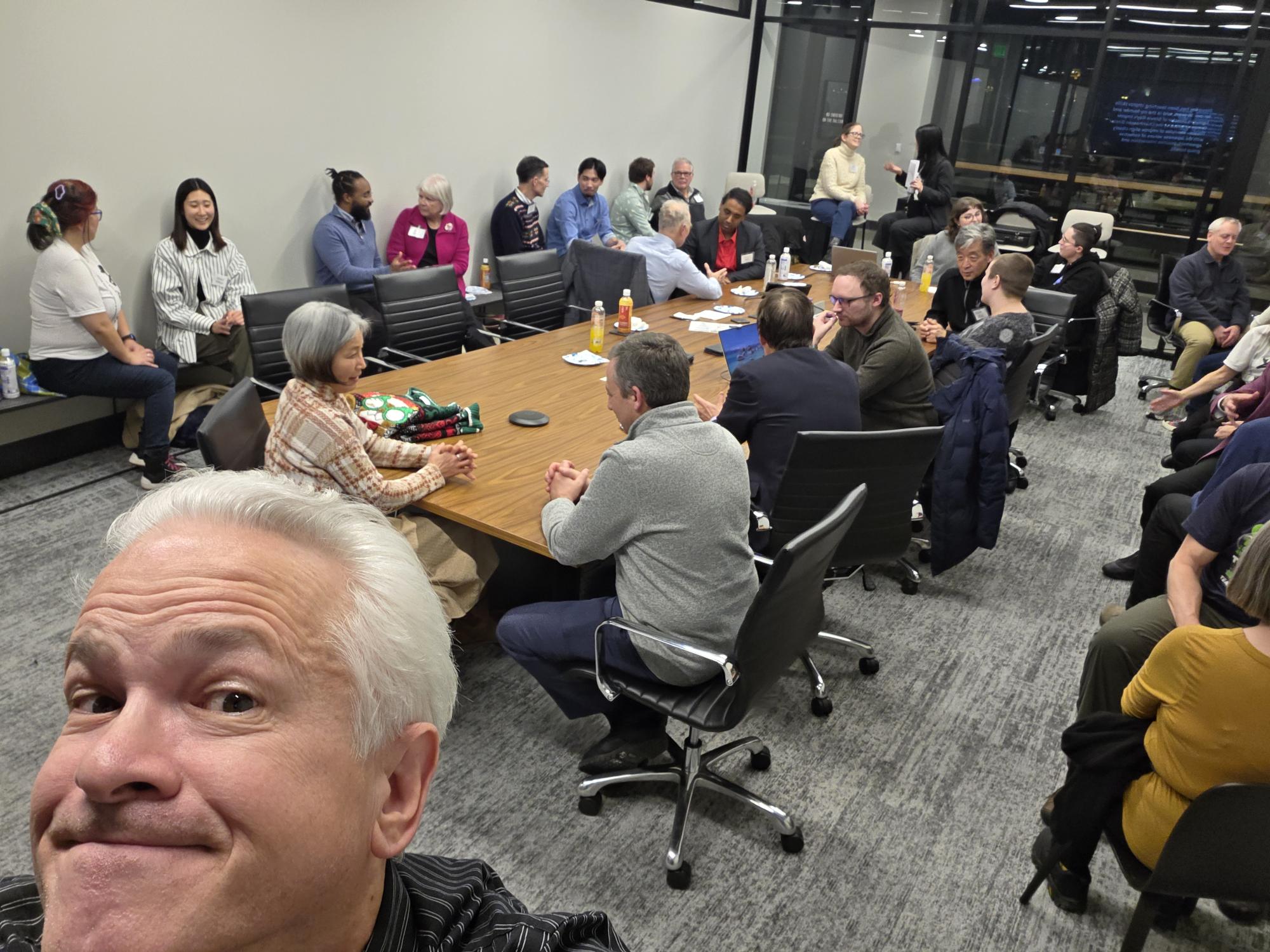
A great “Improv that Works” workshop with the Japan America Society of America on how to use the techniques of improvisation to deliver with confidence and connect with others. Through our discussion, we realized that the foundations of improvisation closely align with Japanese culture:
Stevie’s keynote: Own Your Space: the secret to commanding an audience, leading a team, and connecting with others.
Stevie’s workshops: Improv that Works: how a centuries-old art form can help your organization engage employees, build teamwork, and create a culture of innovation |
OWN YOUR WALK
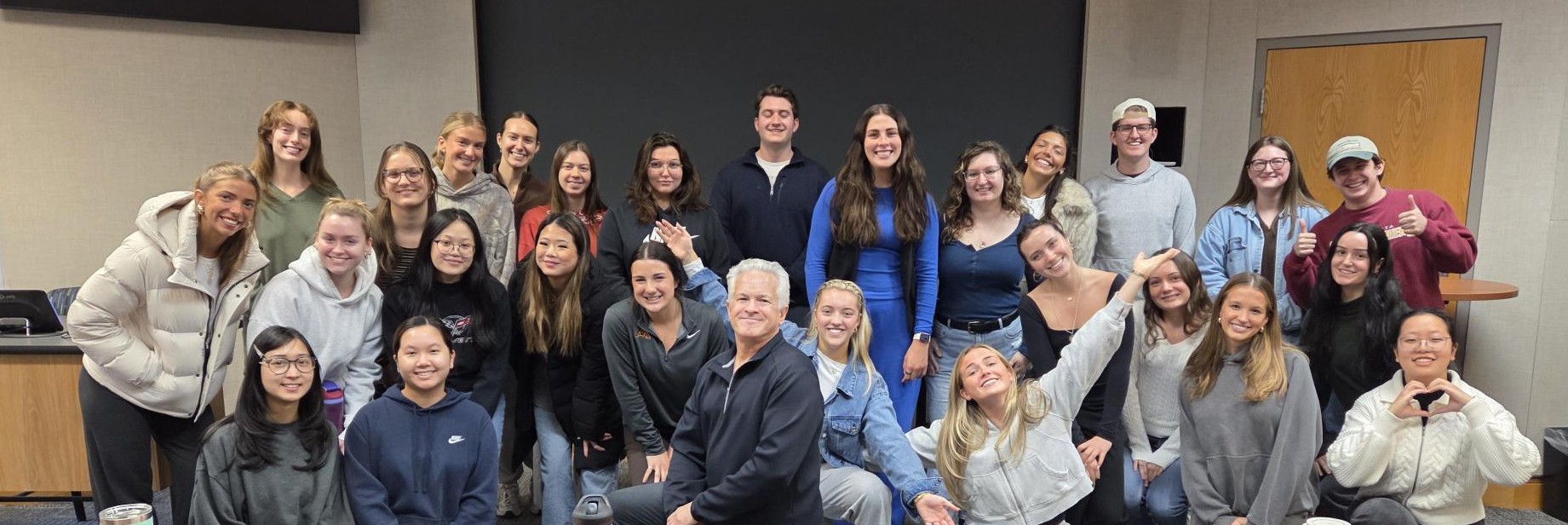
I had a great workshop with some students at the University of Minnesota, learning how to own professional interactions and public speaking with confidence.
One thing that surprised them was our focus on how they first walked into the room or walked to the front to deliver a presentation. How we carry ourselves goes far beyond the image we present to others (although that is a crucial part of communication). Our bodies do not just take orders from the brain, they provide a feedback loop; literally adjusting our emotions to align with our posture.
When test subjects were told to sit slumped down, brain scans showed a depressed mood and lower cognitive activity. As soon as the subjects sat upright, the scans showed a brighter mood and elevated brain function. How you sit, walk, and gesture decides whether you own a situation or it owns you.
Next time you enter a room or walk down the hall, open your chest to the world, direct your eyes forward, and walk with purpose. Remember, your brain is waiting for your body to tell it how to feel.
Stevie’s keynote: Own Your Space: The secret to commanding an audience, leading a team, and connecting with others.
Stevie’s workshops: Improv that Works: How a centuries-old art form can help your organization engage employees, build teamwork, and create a culture of innovation
AND A CHILD SHALL LEAD YOU
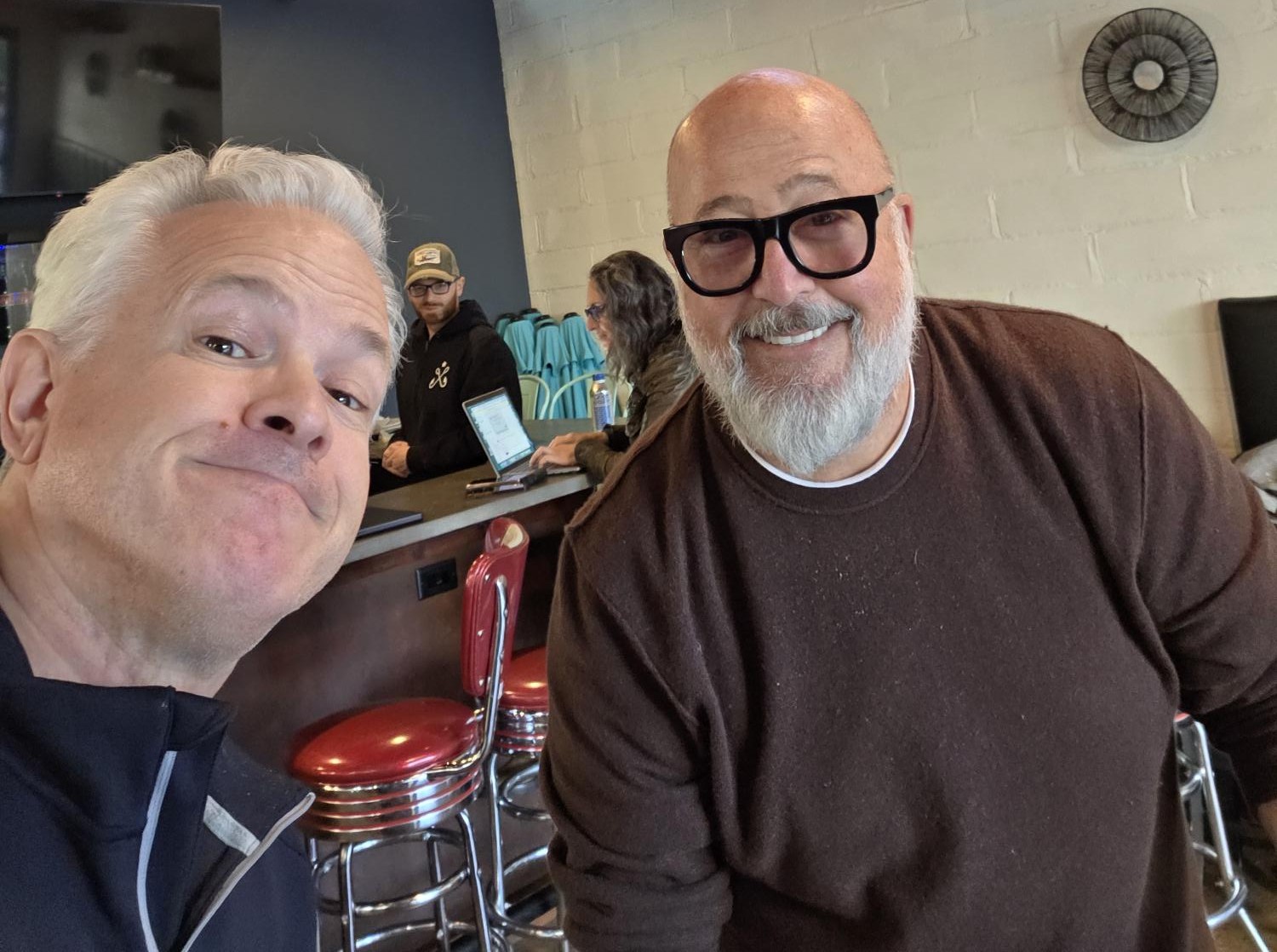
At my house, we cook. A lot. So naturally we watch a lot of cooking shows. When my wife said that world-famous chef and TV host Andrew Zimmern would be signing his new cookbook with co-author Barton Seaver at a local event I was tasked with clearing my schedule and getting autographs. We had met Zimmern at a previous event a few years ago, and he always proves to be as down-to-earth and approachable in person as he is on screen.
After buying the book and getting autographs, I called my 22-year-old stepdaughter, Ondine, on my way home to tell her about it. During the conversation I mentioned that I should have brought Zimmern some of my natural honey. As a beekeeper and a baker, I know that chefs dig liquid gold, especially if it is local; and Zimmern is a Minnesota native. Ondine said, “Oh, you have to bring him your honey!” This is where I stopped owning my space, and when she helped me get it back.
As people get older, we tend to tamp down exciting ideas with a bunch of what ifs and maybe I shouldn’t. I said to Ondine, “I would, but I am already on my way home.” She shot back, “How far are you from the house? How long would it take to get back? How late does the book signing go? You have plenty of time.” I replied, “I could make it home and back in time and bring Zimmern a pint of honey, but his co-author is from out of town, and you can’t bring that much liquid on a plane.” Ondine was not letting me off the hook, “Then bring the other guy a smaller jar.” My last-ditch excuse was, “What if there is a long line of fans?” She yelled, “Just do it!”
I zipped home, filled a pint jar for Zimmern and a 3-ounce jar for Seaver, and made it back to the signing. When I walked into the room, it was as if fate wanted things to work out. Zimmern and Seaver were at the signing table with no fans waiting. I stepped up and said, “I just had to bring you some local honey.” I handed Zimmern his jar and said to Seaver, “I know you have a flight, so here is a travel-sized jar for you.” Seaver beamed and said, “Well aren’t you the thoughtful one!”
We chatted for a good fifteen minutes; about where my hives are, Zimmern’s love for natural honey, and the fact that my homemade honey bakalava only won 3rd place at the Minnesota State Fair because, according to Zimmern, “Those judges are very hard to please.” It was like three old friends.
It was not a life-changing moment, but it was a moment worth remembering. Andrew is not likely to invite me on his show to display my baklava-making skills. And I won’t be mentioned in their next cookbook. But it was a delightful experience that, had I not listened to Ondine, I would have talked myself out of. When we talk ourselves out of owning our space, it sometimes takes a youthful outlook to help us get it back.
Stevie’s keynote: Own Your Space: The secret to commanding an audience, leading a team, and connecting with others.
Stevie’s workshops: Improv that Works: How a centuries-old art form can help your organization engage employees, build teamwork, and create a culture of innovation
